
Titanium CNC Machining Services for Precision and Durability
Embrace the strength and versatility of titanium with Machining Quote skilled team, dedicated to delivering excellence in every component.
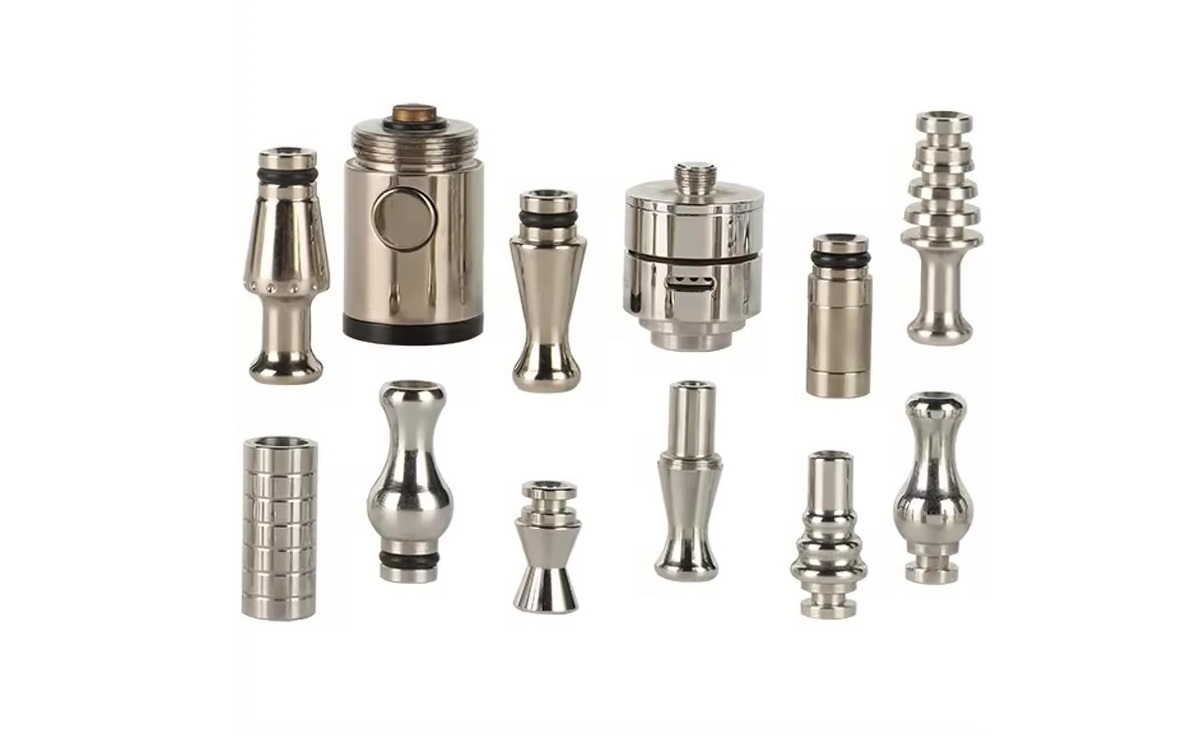
Advantages of Custom Titanium Machining
High-Performance in Extreme Conditions: Custom titanium parts ensure reliable performance in demanding situations, a key selling point for industries operating under extreme conditions.
Biocompatibility for Medical Applications: For the healthcare sector, custom titanium machining allows for safe, trusted products in critical medical applications.
Lightweight Advantage: Titanium’s low density yet high strength provides a weight advantage, enhancing fuel efficiency and performance in automotive and aerospace industries.
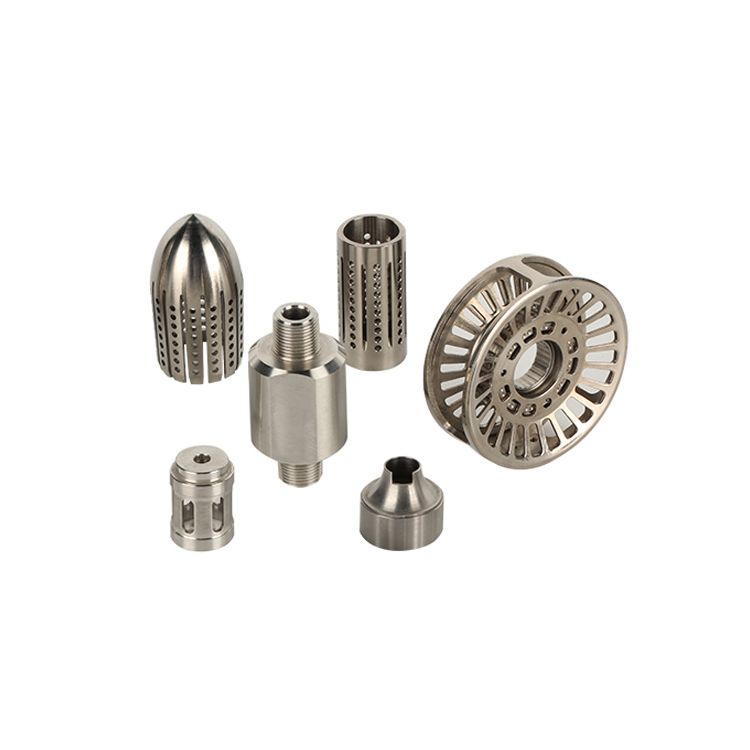
Applications of CNC Titanium Parts
CNC titanium parts are crucial in many industries thanks to their strength, light weight, and corrosion resistance. Key sectors like aerospace, medical, automotive, and marine rely on titanium for its high-temperature tolerance, biocompatibility, and durability, enhancing performance, efficiency, and product longevity.
- Exhaust Manifolds
- Roll Cages
- Control Arms
- Connecting Rods
- Exhaust Nozzles
- Fuel Systems Components
- Valve Train Components
- Joint replacements (hip, knee) and bone screws
- Scalpels and forceps
- Dental implants
- Camera and lens components
- propeller shafts and hull reinforcements
- Underwater equipment
- Telescope frames and mounts
- Blades and discs in jet engines
Machinability of Titanium Alloys
Several common titanium grades are frequently used in CNC machining services, each with its unique properties suitable for different applications. These include:
| Titanium Alloys | Density (g/cm³) | Tensile Strength (MPa) | Hardness (Brinell) | Elastic Modulus (GPa) | Fatigue Strength (MPa) | Mechanical Properties |
|---|---|---|---|---|---|---|
| Grade 5 (Ti-6Al-4V) | 4.43 | 900 – 1,100 | 334 – 350 | 114 | 500 – 550 | High strength, good fatigue resistance, excellent corrosion resistance |
| Grade 2 | 4.51 | 345 – 450 | 120 – 150 | 105 | 240 – 310 | Good strength, excellent corrosion resistance, high ductility |
| Grade 7 | 4.50 | 345 – 450 | 120 – 150 | 105 | 240 – 310 | Enhanced corrosion resistance due to palladium, similar to Grade 2 |
| Grade 23 (Ti-6Al-4V ELI) | 4.43 | 860 – 1,100 | 334 – 350 | 114 | 500 – 550 | High strength, superior fracture toughness, suitable for medical implants |
| Grade 4 | 4.51 | 550 – 750 | 150 – 200 | 105 | 275 – 410 | Strongest of the commercially pure grades, excellent corrosion resistance |
| Grade 9 (Ti-3Al-2.5V) | 4.48 | 620 – 830 | 150 – 200 | 105 | 470 – 590 | Higher strength than pure grades, good weldability and corrosion resistance |
Titanium CNC Machining Processing by Machining Quote
CNC Milling Titanium
CNC Milling titanium provides unmatched precision, rapid material removal, versatile handling of various grades, and deep customization for intricate, application-specific components.
CNC Turning Titanium
CNC turning of titanium materials requires the use of suitable cutting parameters and coolants to prevent tool wear and overheating.
Titanium CNC Grinding
This process delivers parts with smooth surfaces and tight tolerances, effectively managing titanium’s hardness and maintaining part integrity by controlling stress and heat.
CNC Drilling Titanium
Precision holes are drilled into titanium, a key process for creating components that require high tolerance and exact placement of features.
EDM Titanium Service
For processing of ultra-hard materials or complex geometries, that uses electrical sparks to shape the material, avoiding mechanical stress and tool wear.
How do You Cut Titanium?
Choose the Right Tools and Settings
- Use a carbide or diamond-coated cutting tool for best results.
- Opt for lower speeds and high feed rates to minimize heat buildup.
- The coolant helps in reducing heat and preventing tool wear.
Prepare the Titanium for Cutting
- Ensure that the titanium is clamped securely to prevent any movement during the cutting process.
- Use a permanent marker to draw the cut lines on the titanium.
Begin the Cutting Process
- For drilling or intricate cutting, start with a small pilot hole to guide the larger tools.
- Maintain a steady, controlled pace to ensure clean cuts and avoid overheating.
- Frequently check your tools for wear and replace them as needed to maintain cutting efficiency and precision.
5 Surface Finishes for CNC Aluminum Parts
Each of these finishes adds specific value to your titanium CNC parts, enhancing their performance, durability, and suitability for different applications.
Machining titanium is challenging due to its unique material properties. Here are three technical reasons why titanium is considered difficult to machine:
- High Chemical Reactivity: Titanium reacts with cutting tool materials at high temperatures, causing rapid tool wear and potential welding to the tool.
- Low Thermal Conductivity: Heat generated during machining is not quickly dissipated, leading to overheating, which can damage both the tool and the titanium piece.
- Strength and Toughness: Titanium’s strength requires more force to machine, stressing equipment and increasing wear, while its toughness can lead to chattering and poor finishes.
These factors necessitate specialized machining techniques, such as using advanced tool materials and applying cooling fluids, to effectively machine titanium.
Titanium Grade 5 (Ti-6Al-4V):
The most prevalent alloy in aerospace for its superior strength and heat resistance, ideal for high-stress components like turbines, joints, and structural parts. It comprises 6% aluminum and 4% vanadium, significantly enhancing its strength and heat resistance.
Titanium Grade 23 (Ti-6Al-4V ELI):
Grade 23, also known as the Extra Low Interstitial version of Grade 5, has reduced oxygen, nitrogen, and iron content, which enhances its fracture toughness and ductility. It is particularly favored for aerospace applications requiring higher fracture resistance and lower inclusions, such as fasteners, hydraulic tubing, and other fittings